
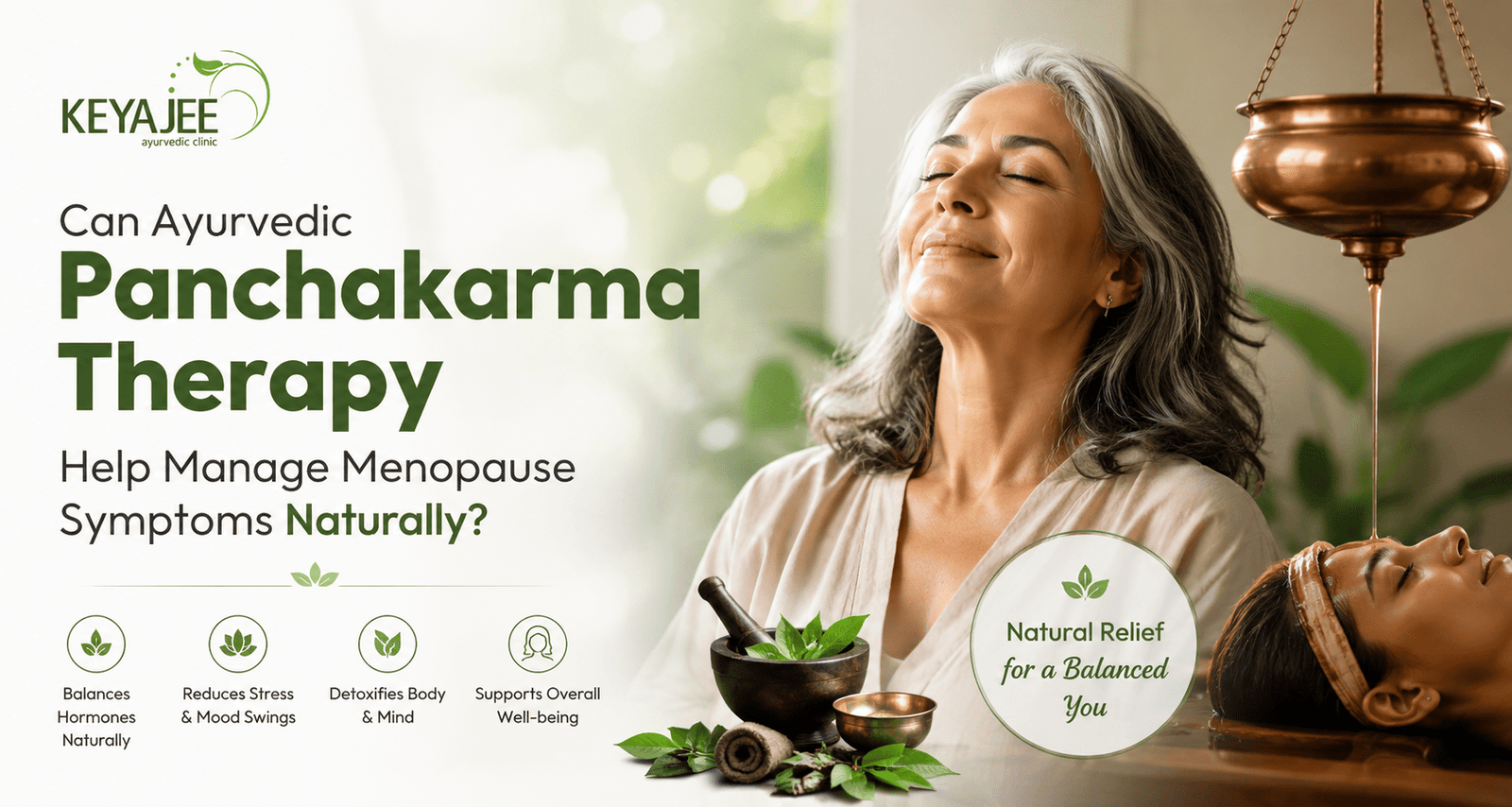
Menopause is a natural transition, yet for many women it arrives with a wave of symptoms that feel anything but gentle: hot flushes, disturbed sleep, mood swings, weight gain, joint pain and brain fog. Conventional medicine offers valuable tools, but a growing number of women are also looking toward time-tested natural systems to support their bodies through this change. One approach drawing renewed attention is Ayurvedic Panchakarma therapy, a deep-cleansing and rejuvenating protocol rooted in thousands of years of Ayurvedic practice.
If you are searching for a panchakarma treatment UK option, or simply want to understand how ayurveda panchakarma therapy might ease your menopausal journey, this guide explains what the treatment involves, how it works, and what to expect.
Understanding Menopause Through the Lens of Ayurveda
In Ayurveda, health is governed by three doshas, Vata, Pitta and Kapha. Menopause is understood primarily as a Vata-dominant phase of life. Vata governs movement, the nervous system and dryness, which is why menopausal symptoms so often include anxiety, insomnia, dry skin and irregular temperature regulation. When Pitta is also aggravated, hot flushes and irritability intensify; when Kapha is disturbed, sluggish metabolism and weight gain appear.
Rather than viewing menopause as a problem to be suppressed, ayurvedic health treats it as an invitation to rebalance. The goal is to clear accumulated toxins (known as ama), restore dosha equilibrium, and rejuvenate the tissues so the transition unfolds more smoothly. Understanding ayurveda and doshas is the foundation of any personalised plan.
What Is Panchakarma?
Panchakarma literally means “five actions.” It is Ayurveda’s signature detoxification and renewal programme, a structured sequence of therapies designed to remove deep-seated toxins and reset the body’s natural intelligence. A genuine Ayurvedic Panchakarma Clinic will always begin with an assessment of your constitution and current imbalances before recommending any therapy.
A typical Ayurvedic Panchakarma Therapy unfolds in three stages:
- Purvakarma (preparation): Oleation (internal and external oil therapies) and swedana (herbal steam) loosen toxins and prepare tissues for release.
- Pradhanakarma (main cleansing): The core detox actions, which may include therapeutic purgation, medicated enemas (basti, especially valuable for Vata), and nasal therapy.
- Paschatkarma (rejuvenation): A carefully guided return to normal diet and life, supported by rejuvenating herbs and lifestyle practices.
For menopause specifically, basti therapy is often emphasised because it directly pacifies aggravated Vata, the dosha most responsible for the dryness, anxiety and instability of this life stage.
How Panchakarma Helps with Menopause Symptoms
By focusing on removing toxins from the body and restoring balance, a well-designed Panchakarma Ayurvedic Treatment can support relief across the most common complaints:
- Hot flushes and night sweats: Cooling therapies and Pitta-pacifying protocols help regulate the body’s internal thermostat.
- Sleep and anxiety: Vata-calming oil therapies and herbal support soothe the nervous system.
- Weight and metabolism: Detoxification and Kapha-balancing measures help reawaken sluggish metabolism. Read more about how hormonal imbalance and gut health are connected.
- Joint pain and stiffness: Warm oleation and steam therapies lubricate tissues and ease Vata-related aches.
- Mood and mental clarity: Rejuvenation therapies support emotional steadiness and reduce brain fog.
Because everyone’s constitution differs, there is no single fixed protocol. Some clinics offer a condensed 7 day panchakarma treatment for those with limited time, while others recommend longer programmes for deeper, more lasting results.
What a Menopause Panchakarma Programme Might Include
A thoughtful, individualised plan often combines several elements:
- A personalised diet using warm, nourishing, easily digestible foods
- Full body ayurvedic treatment with dosha-specific medicated oils
- Herbal formulations to support hormonal balance and tissue rejuvenation
- Daily routine (dinacharya) and yoga or gentle movement guidance
- Meditation and breathwork to calm an aggravated nervous system
Many women find that even a short residential ayurveda retreat (where treatment, food and rest are all aligned) accelerates their progress far more than piecemeal home remedies. If you are exploring your options, learning the 7 signs you may benefit from Panchakarma treatment is a helpful place to start.
Choosing the Right Practitioner
Panchakarma is a medical therapy, not a spa treatment, and it should be supervised by a qualified professional. When choosing a clinic, look for a genuine doctor of ayurvedic medicine with formal training and clinical experience. If you are based in the UK, seeking an ayurvedic doctor in London with a background in women’s health ensures your programme is safe, personalised and effective.
A reputable practitioner will take a full history, may request relevant tests, and will tailor therapies to your unique constitution rather than applying a one-size-fits-all package. This individualised care is what separates authentic Ayurveda from generic wellness offerings.
Interestingly, the same principles that support menopause also underpin Ayurveda’s approach to earlier reproductive stages. You can see this continuity in how Panchakarma is used for fertility, demonstrating the therapy’s versatility across a woman’s life, from pregnancy and fertility right through to menopause. To find the right programme for your stage of life, start with our London Ayurvedic clinic.
Supporting Your Results at Home
The benefits of Panchakarma deepen when supported by daily habits. Practitioners often recommend continuing with warm cooked meals, regular sleep and wake times, gentle self-massage with warm oil, and stress-reducing practices. High-quality ayurvedic products, such as dosha-appropriate oils and herbal supplements, can help you maintain balance between treatments. For those who want to learn more formally, ayurveda courses online UK and introductory workshops can deepen your understanding of self-care.
Is Panchakarma Right for You?
Panchakarma is not suitable for everyone or every moment. It should be avoided during acute illness, and adapted carefully for those with certain medical conditions. This is precisely why professional guidance matters. A consultation with experienced ayurvedic doctors in UK clinics will clarify whether, and when, the therapy is appropriate for your body.
For many women, however, Panchakarma offers something conventional care rarely does: a chance to slow down, cleanse deeply, and rebuild vitality from the inside out. Approached with the right expectations and expert support, it can be a genuinely transformative part of navigating menopause naturally.
Frequently Asked Questions
- Can Panchakarma cure menopause? No, menopause is a natural transition, not a disease, so it cannot be “cured.” Panchakarma aims to ease symptoms, remove toxins and restore dosha balance so the transition feels smoother and more comfortable.
- How long does a menopause Panchakarma programme take? It varies by individual. Some benefit from a condensed 7 day panchakarma treatment, while others need longer programmes of two to three weeks for deeper results. Your practitioner will advise based on your constitution.
- Is Panchakarma safe?
When performed by a qualified doctor of ayurvedic medicine in a proper clinic, Panchakarma is generally safe. It should be personalised and is not recommended during acute illness or certain conditions, which is why professional assessment is essential. - Can I have Panchakarma in the UK? Yes. A number of clinics offer authentic panchakarma treatment UK-wide. Look for an ayurvedic doctor in London or elsewhere with formal qualifications and women’s-health experience.
- Will I need to change my diet and lifestyle?
Yes. Diet, daily routine, yoga and stress management are central to lasting results. Panchakarma works best as part of a broader ayurvedic health approach rather than a one-off treatment.


