
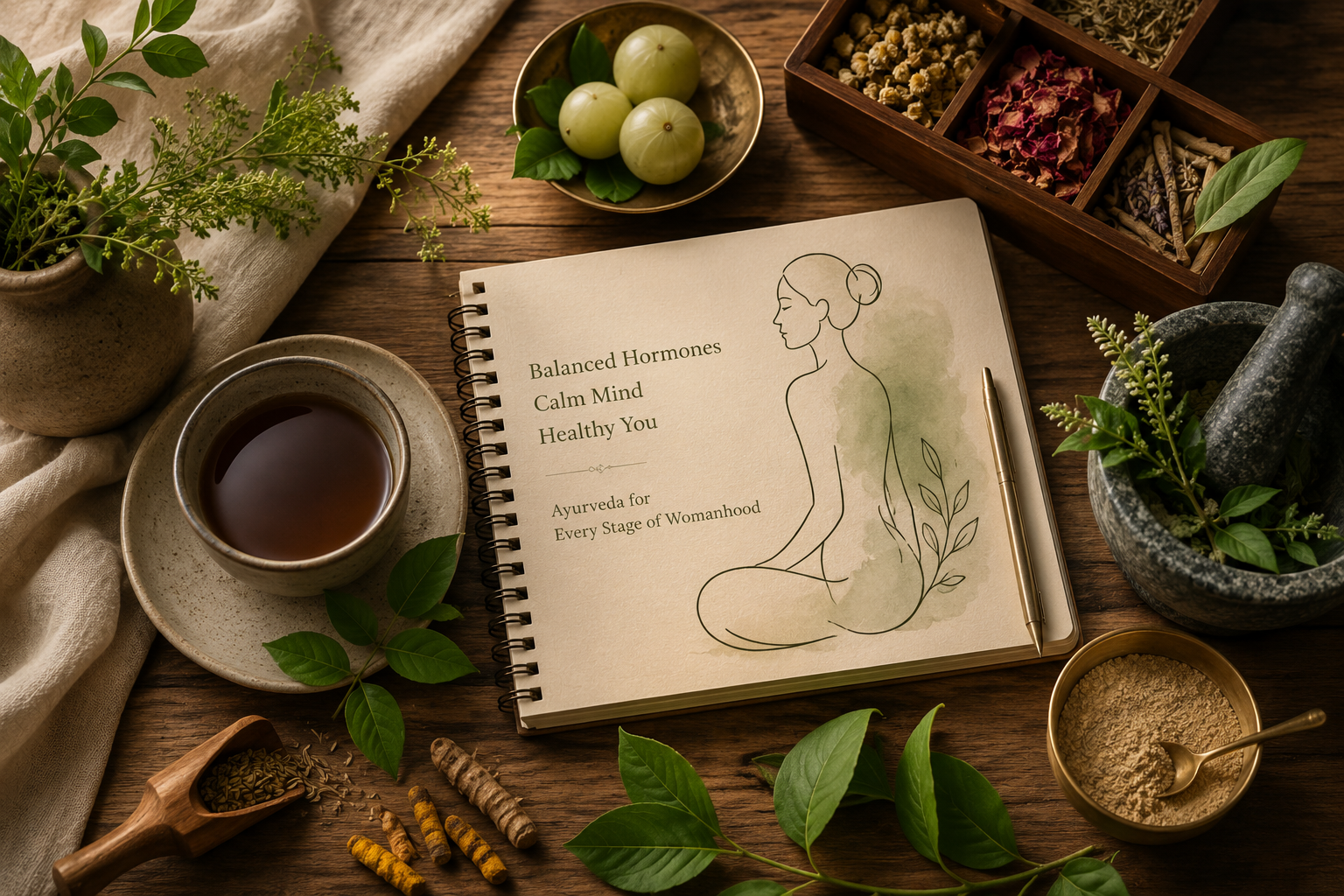
For many women, there comes a point where their own body starts to feel unfamiliar. Perhaps the periods that were once predictable have turned painful or erratic. Perhaps sleep has become elusive, moods harder to read, and the body warmer than it used to be at the most inconvenient moments. These experiences are incredibly common, yet women are often told to simply put up with them. The truth is, you do not have to.
Whether you are navigating the cramping and heaviness of a difficult cycle or stepping into the changes of midlife, there are gentle, time-honoured ways to feel more like yourself again. Ayurveda, one of the world’s oldest systems of natural medicine, offers a thoughtful and holistic approach to women’s health that has supported generations of women through these very transitions. This article explores how it can help, grounded in both tradition and a sensible, modern understanding of the body.
What Are Menopause Symptoms?
Menopause marks the natural end of a woman’s reproductive years, typically occurring between the ages of 45 and 55. It is officially reached when a woman has gone twelve months without a period. The years leading up to it, known as perimenopause, are often when the most noticeable changes begin.
Menopause symptoms vary enormously from one woman to the next, but the most frequently reported include:
- Hot flushes and night sweats
- Disturbed sleep and fatigue
- Mood swings, anxiety or low mood
- Brain fog and difficulty concentrating
- Vaginal dryness and reduced libido
- Joint aches and changes in skin
- Irregular periods before they stop altogether
These symptoms are driven largely by a natural decline in oestrogen and progesterone. While menopause is a normal life stage and not an illness, that does not make it easy. For some women the symptoms are mild; for others they are genuinely disruptive. Seeking menopause relief through natural, supportive means is not about resisting a natural process, but about moving through it with greater comfort and dignity.
Common Causes of Period Pain
Period pain, known medically as dysmenorrhoea, affects a significant proportion of women during their reproductive years. It is caused by the womb contracting to shed its lining, a process triggered by hormone-like substances called prostaglandins. Higher levels of prostaglandins are associated with stronger, more painful contractions.
There are two broad types. Primary dysmenorrhoea is common pain without an underlying condition, often beginning in the teenage years. Secondary dysmenorrhoea is pain linked to a condition such as endometriosis, fibroids or pelvic inflammatory disease, and tends to develop later.
Common contributors to painful periods include:
- Hormonal imbalances
- High stress levels
- Poor digestion and a sluggish system
- A diet high in processed and inflammatory foods
- Lack of movement or, conversely, excessive strain
- Underlying gynaecological conditions
Occasional discomfort is normal, but severe or worsening pain should never be dismissed. Effective period pain relief begins with understanding the cause, which is precisely where a holistic assessment can be valuable.
The Ayurvedic Understanding of Women’s Health
Ayurveda views the body as a finely balanced system governed by three energies, or doshas: Vata, Pitta and Kapha. Each of us has a unique constitution, and good health is understood as a state of balance suited to that individual. When this balance is disturbed, symptoms arise.
In the context of ayurveda for women, the menstrual cycle and menopause are seen as deeply connected to these energies. Vata, which governs movement and the nervous system, is closely linked to menstruation and to the menopausal transition. When Vata becomes aggravated, perhaps through stress, irregular routines or poor sleep, it can express itself as cramping pain, anxiety, dryness and disturbed sleep. Excess Pitta, the energy of heat and transformation, may show up as heavy bleeding, irritability and hot flushes.
What makes this perspective so valuable is that it does not treat symptoms in isolation. Instead, it asks why the imbalance has occurred and seeks to address the root. This focus on the whole person, rather than a single complaint, is the heart of natural healing in the Ayurvedic tradition.
How Ayurveda Supports Hormonal Balance Naturally
Achieving hormonal balance is rarely about a single fix. It is about supporting the body’s own systems so they can function as they were designed to. Ayurveda approaches this through several gentle, consistent levers rather than dramatic intervention.
The first is digestion. Ayurveda places enormous importance on agni, or digestive fire, considering it the foundation of health. When digestion is strong, the body absorbs nutrients efficiently and clears waste effectively, both of which support hormone production and regulation. Interestingly, modern science increasingly recognises the gut’s influence on hormones, including oestrogen.
The second is the nervous system. Because chronic stress raises cortisol and can disrupt the delicate hormonal cascade, calming the mind is treated as a genuine therapeutic priority, not an afterthought. Practices such as yoga, meditation and breathing exercises feature heavily.
The third is rhythm. Ayurveda encourages living in tune with natural cycles, regular meals, consistent sleep and seasonal awareness, all of which help the endocrine system stay steady. A qualified ayurvedic doctor london practitioners and clinics across the UK will typically begin by assessing your individual constitution before recommending anything, because what soothes one woman may not suit another.
Ayurvedic Remedies for Menopause Symptoms
Ayurvedic support for menopause focuses on cooling and calming an often overheated, Vata-disturbed system. While remedies should always be tailored to the individual, the following traditional approaches are commonly recommended.
Herbal Support
Certain herbs have long been associated with women’s wellbeing. Dry ginger, coriander seeds, and fennel are traditionally used to support digestion and Agni, while Brahmi or Yashtimadhu may be considered for nervous system support where appropriate.
It is important to note that herbal evidence is still developing, quality varies between products, and herbs can interact with medication. For this reason, they are best taken under the guidance of a qualified Ayurvedic practitioner rather than self-prescribed.
Cooling Practices
Because hot flushes reflect excess heat, cooling routines can help. These include staying well hydrated, favouring cooling foods such as cucumber, coconut and sweet fruits, and avoiding excessive caffeine, alcohol and spicy food, which can aggravate symptoms.
Daily Routine
A settled daily rhythm, known as dinacharya, helps steady an unsettled system. Regular sleep and wake times, gentle morning movement and a calm evening wind-down all support the body during this transition. Many women find that a structured course of ayurvedic treatment london clinics offer, combining therapies, diet and lifestyle guidance, brings noticeable relief over time.
Ayurvedic Approaches for Period Pain Relief
For painful periods, the Ayurvedic aim is to ease Vata aggravation, support smooth flow and reduce the build-up that contributes to cramping.
Warmth and Oils
Warmth is deeply soothing for Vata-type pain. A warm compress or hot water bottle on the lower abdomen can ease cramps. Self-massage with warm sesame oil, a practice known as abhyanga, is traditionally used to calm the nervous system and relieve tension.
Gentle Movement
Contrary to the instinct to curl up entirely, gentle movement often helps. Restorative yoga poses, slow walking and stretching can improve circulation and ease discomfort. The emphasis is on gentleness, not exertion.
Digestive and Anti-inflammatory Spices
Warming spices such as ginger, cumin, fennel and turmeric are commonly recommended to support digestion and reduce inflammation. A simple cup of ginger or fennel tea during menstruation is a gentle, accessible remedy many women find comforting.
Stress Reduction
Because stress can intensify pain, calming the mind is genuinely therapeutic. Breathing exercises and meditation, even for a few minutes daily, can soften the body’s pain response over time.
Diet and Lifestyle Tips for Women’s Wellness
Sustainable habits often make the greatest difference. The following practical steps support both menopausal comfort and easier periods.
- Eat warm, freshly prepared meals. Ayurveda favours cooked, easily digestible food over cold or processed options, particularly when the body feels out of balance.
- Prioritise good fats and fibre. Nuts, seeds, oily fish, vegetables and pulses support hormone production and help the body process excess oestrogen.
- Stay hydrated. Warm water and herbal teas aid digestion and help with dryness and flushing.
- Protect your sleep. Aim for a consistent bedtime and a screen-free wind-down. Ayurveda has recommended early nights for centuries, advice that aligns with the body’s natural rhythm.
- Move gently but regularly. Yoga, walking and swimming support circulation, mood and balance without adding strain.
- Manage stress deliberately. Treat relaxation as essential rather than optional. Even ten minutes of slow breathing each day can help.
- Limit aggravating foods. Reducing caffeine, alcohol, refined sugar and very spicy food can ease both hot flushes and cramping.
Small, consistent changes tend to outperform dramatic, short-lived efforts. The goal is not perfection, but steady support for your wellbeing.
When to Seek Professional Ayurvedic Support
Self-care is powerful, but it has its limits. If your symptoms are severe, persistent or affecting your quality of life, professional guidance is wise. This is true both for conventional medical care and for Ayurveda.
A consultation at a reputable ayurvedic clinic london women trust begins with understanding you as an individual, your constitution, your history, your lifestyle and your specific concerns. From there, a practitioner can recommend a personalised combination of diet, herbs, therapies and lifestyle adjustments, rather than a one-size-fits-all solution.
Crucially, Ayurveda works best alongside, not instead of, conventional medicine. Severe period pain, very heavy bleeding, bleeding after menopause or symptoms that worsen should always be assessed by your GP, as they can indicate conditions that need medical attention. An experienced practitioner will encourage this integrated approach, valuing your safety above all.
Conclusion
Menopause and painful periods are not problems to be endured in silence, nor are they signs of weakness. They are natural chapters in a woman’s life that simply ask for understanding and care. While the changes are real, so too are the gentle, effective ways to navigate them.
Ayurveda offers something quietly reassuring: a reminder that your body is not working against you, but seeking balance. Through nourishing food, restful sleep, mindful movement, stress care and, where appropriate, traditional remedies, many women find genuine relief and a renewed sense of ease.
If you are struggling, consider taking a holistic view of your health and reaching out for support, whether from your doctor, a trusted Ayurvedic practitioner, or both. You deserve to feel well at every stage of life, and with the right care, that is entirely possible.
This article is for general information only and is not a substitute for personalised medical advice.
6. Frequently Asked Questions
- Can Ayurveda really help with menopause symptoms? Ayurveda supports menopause through diet, lifestyle, calming practices and certain herbs aimed at restoring balance and easing symptoms such as hot flushes and disturbed sleep. It is not a cure or a replacement for medical care, but many women find it offers meaningful, gentle relief. For persistent or severe symptoms, always consult your GP.
- Which Ayurvedic herbs are used for women’s health? Dry ginger, coriander seeds, and fennel are traditionally used to support digestion and Agni, while Brahmi or Yashtimadhu may be considered for nervous system support where appropriate. Because herbs can interact with medication and may not suit everyone, they should be taken under the guidance of a qualified Ayurvedic practitioner rather than self-prescribed.
- How does Ayurveda support hormonal balance? Ayurveda focuses on strengthening digestion, calming the nervous system and living in tune with natural rhythms. These foundations support the body’s own ability to regulate hormones, an approach that aligns with modern understanding of how stress, sleep and nutrition affect hormonal health.
- Is Ayurvedic treatment safe alongside conventional medicine? When practised responsibly, Ayurveda is designed to complement conventional care, not replace it. A reputable practitioner will encourage you to continue any prescribed medical treatment and to see your GP for serious symptoms. Always inform both practitioners of any herbs or medications you are taking.
- When should I see an Ayurvedic doctor for menopause or period pain? Consider professional support if your symptoms are persistent, disruptive or not improving with self-care. A consultation allows for a personalised plan based on your individual constitution and needs, rather than generic advice.
- How long does it take to see results with Ayurveda? This varies between individuals. Some women notice improvements in sleep or stress within a few weeks, while deeper changes may take several months. Consistency tends to matter far more than intensity.


