
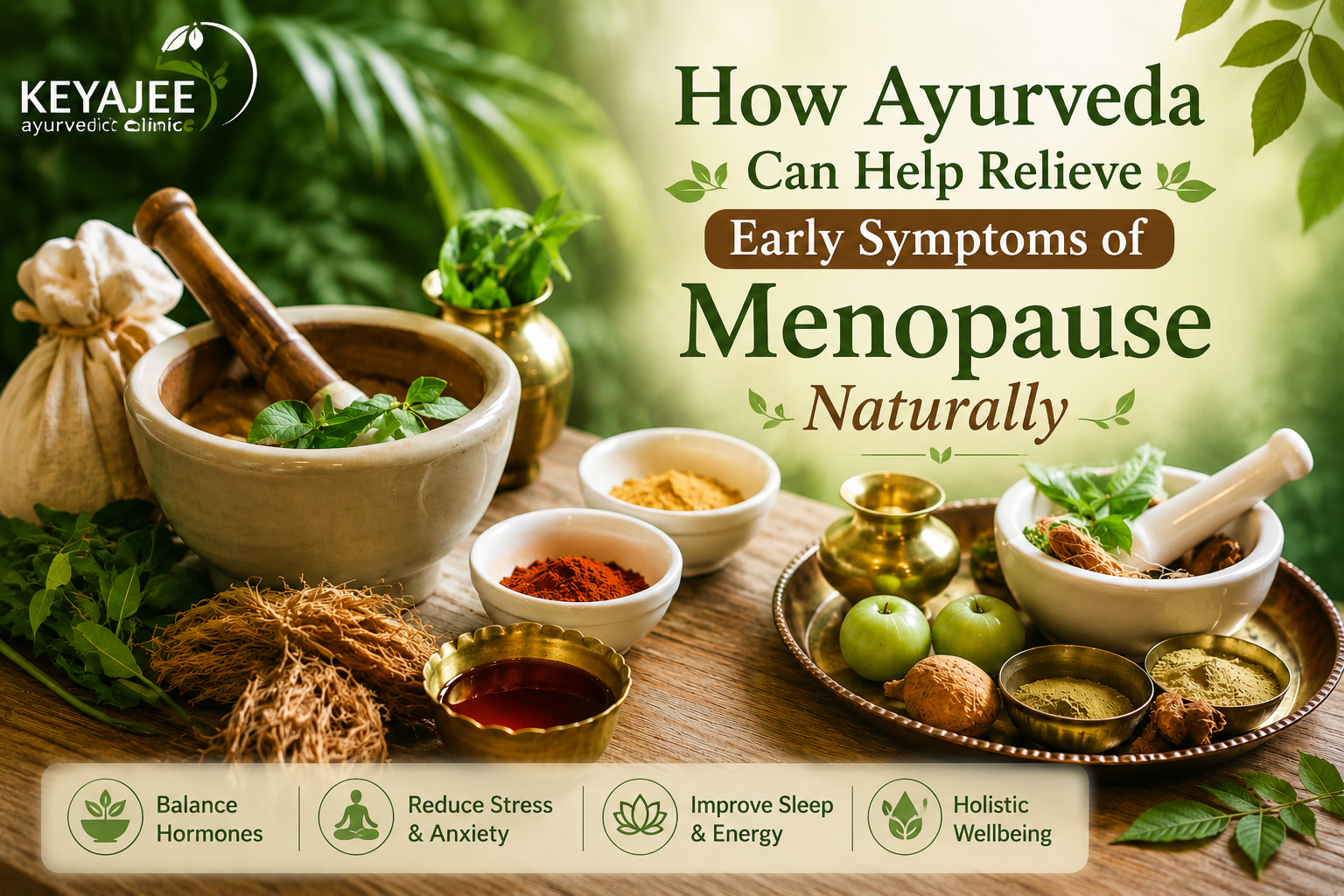
Picture this. You wake up one Tuesday in May and burst into tears for absolutely no reason. The kettle’s boiled, the dog’s fine, the kids are at school. You just stand there crying. And later you wonder if you might be losing it.
You’re not. You’re probably 44, or 47, or 49, and your body is starting to shift gears.
If you’ve had a moment like that, or a whole string of them, this might be the read for you.
The bit nobody warns you about
Most of us know what menopause is, vaguely. The textbook version. What we don’t get warned about is the long, weird build-up to it. The perimenopause. The decade-ish where everything starts going a bit sideways.
You might call the early symptoms of menopause by other names first. “Stress.” “Burnout.” “Maybe I just need a holiday.” All of which can be true, by the way. But if you’re somewhere between 38 and 50, there’s a decent chance your hormones are doing a slow, messy reshuffle in the background.
The menopause period symptoms that tend to show up first:
- Periods going rogue. Heavy, light, skipping, doubling.
- Hot flushes. Sometimes a warm patch. Sometimes you’re peeling off layers in Pret.
- 3am wake-ups for no reason
- Mood that drops without warning
- That fog. Honestly, the fog’s the one most women mention first.
- Tired in a way coffee doesn’t touch
- Skin and hair not behaving
It’s oestrogen and progesterone going zigzag rather than falling away in a tidy line. Some weeks you feel fine. Some weeks you don’t. No pattern, which is half the frustration.
A lot of women in the UK now look at Ayurvedic Treatments in London before deciding what to do next. Sometimes alongside HRT. Sometimes instead. Sometimes just to feel like they’ve got options.
What Ayurveda actually thinks is going on
Quick context. Ayurveda is the original health system from India, going back roughly 3,000 years. It doesn’t see menopause as a malfunction. More as a shift from one stage of life into the next.
In its language, you’re moving out of your pitta years (busy, productive, fiery) and into your vata years (lighter, more reflective, more easily knocked off balance). Sleep, joints, skin, mood, all of that lives in vata’s territory. Which is why those bits wobble first.
You’re also probably running on emptier reserves. Years of work, kids, parents, the rest of it. Ayurveda calls those reserves ojas, and most women going through this stage are running low without realising.
A proper ayurvedic doctor in London won’t hand you a one-size box of pills. They’ll want to know how you sleep, what you eat, when you eat it, how your bowels are behaving (sorry), what stresses you, what brings you joy. Sounds like a lot. It’s actually the level of detail that makes the difference.
Herbs people swear by
Shatavari. The classic one for women. Helps with hot flushes, dryness, the hormonal up-and-down. Women in India have been taking it for generations.
Ashwagandha. For the anxiety, the not-sleeping, the wound-up feeling that won’t switch off in the evening.
Brahmi. For the brain fog. Worth trying for a few weeks.
Triphala. Boring but brilliant. Keeps the gut moving, which turns into a bigger deal at this stage than you’d think.
Guduchi. For the inflammation and stiff joints.
Genuinely don’t recommend googling these and self-medicating. Combinations matter. Doses matter. What suits your sister might wreck your sleep. An online ayurvedic doctor consultation earns its keep here.
The daily stuff. Sounds boring. Works.
If I had to pick one thing that makes the biggest difference for menopause, it wouldn’t be a herb. It’d be the routine.
Wake at a similar time every day, weekends included. I know. But hormones really do prefer it.
Massage yourself with warm sesame oil before a shower, two or three times a week. Ten minutes. Strange the first time. After that you’ll get a bit obsessed.
Eat warm, cooked food. Especially in the mornings. Smoothies are lovely in July, less so in February when it’s freezing.
Drink warm water through the day rather than ice cold. Throw in ginger or fennel if you remember.
Stop scrolling an hour before bed. Warm milk with a pinch of nutmeg. Sounds twee. Works.
Yoga and breathing (no flexibility required)
You don’t have to touch your toes. Five minutes of legs-up-the-wall before bed will quiet your system right down. Reclined butterfly, child’s pose, that’s about as fancy as it needs to get. These ease menopause period symptoms without being a workout.
The breathing is even better. Sheetali (cooling breath) will pull you out of a hot flush in real time. Nadi shodhana (alternate nostril) sorts out the racing mind. Ten minutes a day. Try it a week before deciding it’s hippy nonsense.
Eating, in short
Lean into oats, basmati, barley, ghee, almonds, flaxseeds, dates, pomegranate, sesame, cucumber, coriander, mint.
Pull back on booze, caffeine, refined sugar, very spicy stuff. The evening glass of wine especially. I know.
The best ayurvedic clinic in London will sort a food plan for your dosha, which is more useful than a generic list.
When to actually book in
You can do plenty on your own. But if you’re knackered all the time, can’t sleep, or your anxiety has cranked up to a steady hum, see someone who actually knows.
A good ayurvedic doctor London women keep going back to will give you a proper hour, ask the right questions, put together something tailored. Not the seven-minute GP rush.
Somewhere like Keyajee runs Ayurvedic Treatments in London aimed specifically at women in this stage. Shirodhara (oil over the forehead, mildly addictive), abhyanga massage, a herb plan that fits you. And if getting into central London isn’t on, an online ayurvedic doctor consultation does the same job over video.
To finish
Menopause isn’t broken biology. It’s a transition, bumpy at first, calmer once you settle in. Ayurveda has a slow, sensible, long-tested approach to helping women through it.
If you’re noticing the early symptoms of menopause and you’d rather not leap straight to medication, talk to an ayurvedic doctor in London. See how the next three months feel. That’s about how long it takes for the small daily shifts to add up.
You’ve got plenty of life left in you. This bit just wants a little patience and the right kind of help.


