
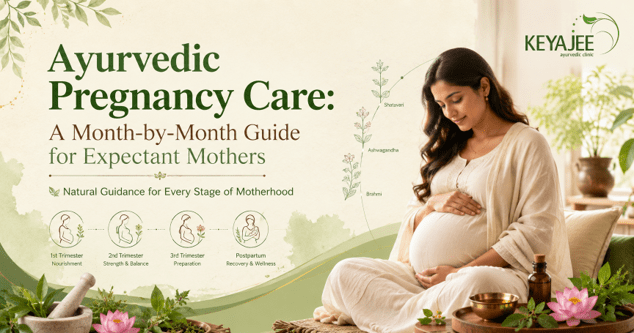
Pregnancy is one of the most transformative journeys in a woman’s life. In Ayurveda, this sacred period is treated with immense care through a practice known as Garbhini Paricharya, a month-by-month regimen designed to nourish both mother and baby. For expectant mothers seeking natural, holistic support, ayurveda for pregnancy offers time-tested wisdom that complements modern prenatal care beautifully.
At our women’s health-focused Ayurvedic clinic in London, we’ve supported countless mothers through this beautiful transition. This guide walks you through ayurveda during pregnancy, month by month.
Why Choose Ayurveda for Pregnant Women?
Ayurveda views pregnancy as a state requiring balance across the three doshas Vata, Pitta, and Kapha. When these energies are harmonised, the mother experiences smoother digestion, better sleep, emotional stability, and healthy foetal development. Ayurveda for pregnant women focuses on gentle nutrition, self-care rituals, herbal support, and lifestyle routines rather than aggressive interventions.
The goal of ayurveda pregnancy care is simple: create the healthiest possible environment for the growing baby while keeping the mother strong, calm, and nourished.
Month-by-Month Ayurvedic Pregnancy Care
First Trimester (Months 1–3): Building the Foundation
Month 1: The focus is on stabilising the pregnancy. Cooling, easily digestible foods like milk, rice, and ghee help settle Vata and support implantation. Rest and emotional calm are essential.
Month 2: Sweet, nourishing foods continue to dominate. Herbal support under professional guidance helps manage early nausea and fatigue. Avoid excessive heat and spicy foods.
Month 3: As the baby’s tissues form, wholesome nutrition rich in natural dairy, honey (in moderation), and grains becomes vital. Gentle movement and meditation support emotional wellbeing.
This trimester is where ayurveda tips for pregnancy emphasise rest, hydration, and stress reduction above all else.

Second Trimester (Months 4–6): Nourishment and Strength
Month 4: The baby begins developing more defined features. Ayurveda recommends nourishing foods that build strength and stamina milk with dates, ghee, and mineral-rich vegetables.
Month 5: This is often the most comfortable phase. Focus shifts to strengthening the mother’s tissues (dhatus) through balanced meals, gentle oil massage (Abhyanga), and light yoga.
Month 6: Foods that support tissue growth and reduce swelling become important. Warm, unctuous foods help maintain Vata balance as the body expands.
Regular self-massage with medicated oils is a cornerstone of ayurveda during pregnancy, helping ease muscle tension, improve circulation, and prepare the skin for stretching.
Third Trimester (Months 7–9): Preparing for Birth
Month 7: Digestive care takes priority. Lighter meals prevent heaviness and acidity. Herbal preparations may be introduced to support the mother’s strength.
Month 8: Ayurveda places special emphasis on this month. Basti (medicated enema therapy) may be recommended under strict expert supervision to support smooth labour and balance Vata, which governs the birthing process.
Month 9: The final month centres on readiness. Warm oil massages, calming routines, and nourishing foods prepare the body for delivery. Emotional preparation and rest are equally important.
Our childbirth preparation programme integrates these classical practices to help mothers approach labour with confidence and calm.
The Role of Panchakarma in Pregnancy
Many mothers ask about Panchakarma Treatment for Pregnancy. It’s important to understand that classical Panchakarma in Ayurveda the five deep detoxification therapies is generally not performed during pregnancy in its full, intensive form. Aggressive detox can disturb the delicate state of gestation.
However, a specialised Ayurvedic Panchakarma Clinic will adapt gentle, supportive elements of Ayurvedic Panchakarma Therapy such as mild Abhyanga, Shirodhara, and carefully selected Basti in the eighth month only, always under expert supervision. This is why choosing an experienced Panchakarma Ayurvedic Clinic matters so much during pregnancy.
Full-scale Panchakarma Treatment is far more appropriate before conception to prepare the body, and after delivery during the postnatal recovery period. Our fertility care services often incorporate pre-conception cleansing for this very reason.

Daily Ayurvedic Tips for Pregnancy
Beyond the monthly regimen, these simple ayurveda tips for pregnancy support wellbeing throughout:
- Eat freshly cooked, warm meals and avoid processed or leftover food.
- Stay hydrated with warm water and herbal infusions.
- Practise gentle prenatal yoga and breathwork (Pranayama) daily.
- Prioritise sleep and maintain a consistent daily routine (Dinacharya).
- Surround yourself with positivity Ayurveda believes the mother’s emotional state directly influences the baby, a concept known as Garbha Sanskar.
- Avoid suppressing natural urges and steer clear of overly heavy, dry, or excessively spicy foods.
Seasonal balance also plays a role in ayurveda pregnancy care. If you’re pregnant during the cooler months, our clinic’s insights on seasonal wellbeing, such as our autumn digestive reset principles, can be gently adapted to keep digestion strong and comfortable.
Why Work With a Professional Ayurvedic Clinic

While these guidelines offer a wonderful foundation, every pregnancy is unique. Dosha imbalances, individual constitution, and specific health conditions all require personalised guidance. Working with a qualified practitioner ensures that herbs, therapies, and dietary changes are safe and tailored to you.
Based in London, our Ayurvedic women’s health clinic brings over 25 years of clinical experience to supporting mothers through fertility, pregnancy, childbirth, and beyond.
Frequently Asked Questions
Is Ayurveda safe during pregnancy?
Yes, when practised under professional supervision. Gentle ayurveda for pregnant women focused on diet, lifestyle, and self-care is very safe. However, herbs and therapies should only be used with guidance from a qualified Ayurvedic practitioner, as some are not suitable during pregnancy.
Can I have Panchakarma treatment while pregnant?
Full Panchakarma Treatment is generally avoided during pregnancy. Only very gentle, adapted elements of Ayurvedic Panchakarma Therapy may be used in the eighth month under strict expert supervision. A reputable Panchakarma Ayurvedic Clinic will always prioritise your safety.
When should I start Ayurvedic pregnancy care?
Ideally, ayurveda pregnancy care begins even before conception with pre-conception preparation. Once pregnant, you can start the month-by-month regimen from the first trimester.
What foods does Ayurveda recommend during pregnancy?
Warm, freshly cooked, easily digestible foods such as milk, ghee, rice, seasonal fruits, and mineral-rich vegetables. The emphasis is on nourishing, sweet, and grounding foods that balance Vata.
Does Ayurveda help with labour and delivery?
Yes. Ayurveda during pregnancy, particularly in the eighth and ninth months, focuses on balancing Vata (which governs birth) through oil massage, calming routines, and supervised therapies to support smoother labour.
Begin Your Journey
Every mother deserves a pregnancy filled with nourishment, calm, and confidence. With authentic ayurveda for pregnancy, you can support your body and baby naturally through each precious month.
To create a personalised plan tailored to your constitution, book a consultation with our experienced team today, whether in person at our London clinic or online.


